
How Tariffs Are Reshaping Construction Strategy
By: Mike Kreider – President, High Construction Company
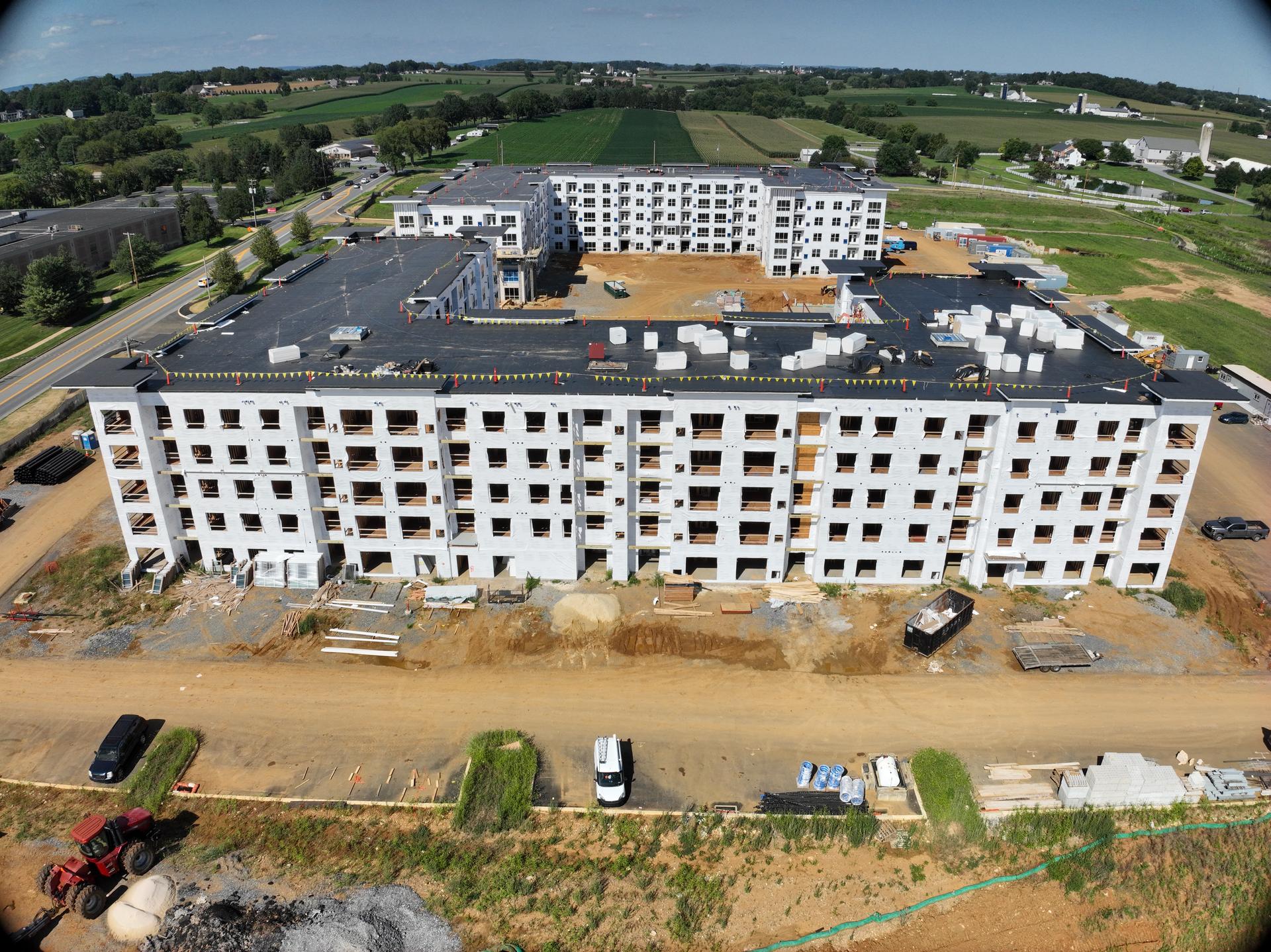
Since the COVID-19 pandemic, the construction industry has faced supply chain issues, long lead times, a skilled labor shortage, rising interest rates, and a more stringent lending environment. The introduction of new tariffs adds another layer of complexity, contributing to market uncertainty.
For owners, developers, and project teams, the impact of tariffs on construction costs is not limited to the price of a single product. Tariffs can affect material availability, supplier pricing, lead times, procurement decisions, project budgets, and the overall confidence needed to move a project forward.
In the short term, tariffs can drive up construction costs, particularly for materials imported from overseas, further straining project budgets and timelines. The original source content cited economist forecasts of a 5.80% to 6.80% increase in construction costs over the following year, with tariffs contributing approximately 1.50% to 2.50% of that escalation.
More specifically, tariffs can raise prices on imported materials such as steel, aluminum, cement, crude oil, lumber, appliances, tools, and equipment. Many of these products are sourced through international supply chains that may include countries such as China, Mexico, and Canada.
Understanding the Impact of Tariffs on Construction Costs
Projects already under construction may see less immediate impact - especially if materials were purchased or pricing was locked in before tariffs or related price changes took effect. However, new construction projects may experience delays as clients pause to reassess risk, revisit budgets, or wait for greater economic clarity.
Managing Construction Budget Risks in an Uncertain Market
One effective strategy for mitigating tariff-related risk is for clients and construction managers to establish a dedicated contingency for tariffs or cost escalation.
By initially soliciting subcontractor and vendor pricing without factoring in potential tariff impacts, teams can avoid the compounding effect of escalation layered upon escalation - an issue that can significantly strain project pro formas and overall financial feasibility.
Managing construction budget risks begins with transparency. Owners, design teams, construction managers, trade partners, and suppliers should have a shared understanding of which materials may be exposed to price volatility, when procurement decisions must be made, and how changes will be evaluated if costs move beyond initial assumptions.
A well-defined contingency does not eliminate risk, but it can give teams a more deliberate way to respond. It helps protect the financial feasibility of the project while avoiding unnecessary padding across every budget line.
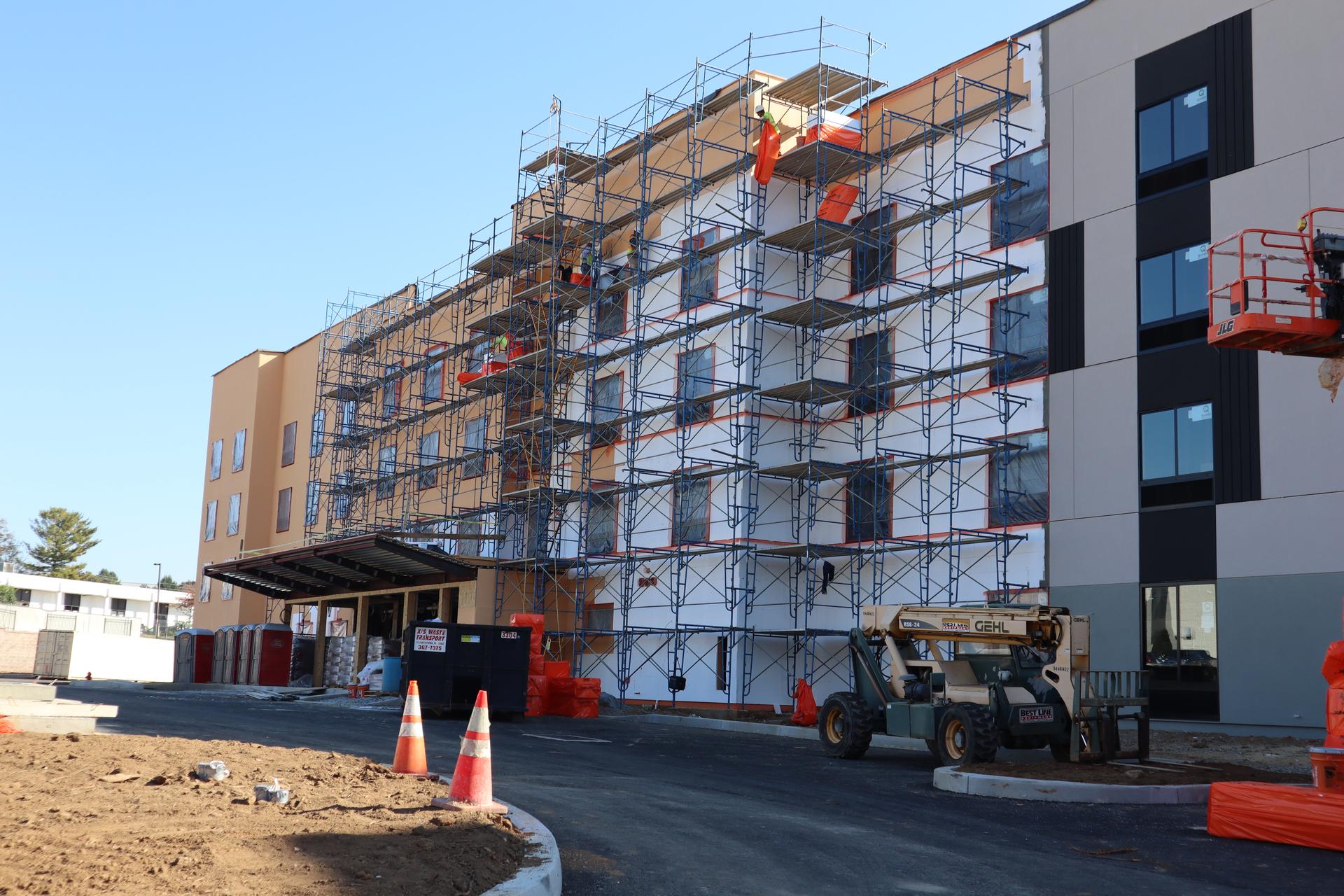
Construction Supply Chain Strategies to Reduce Exposure
Other ideas to offset the impact of tariffs include selecting alternative materials, sourcing domestically produced goods, or purchasing from countries less affected by tariffs.
These construction supply chain strategies should be evaluated early, during preconstruction and design. Material substitutions can affect performance, aesthetics, availability, cost, warranties, code compliance, and installation requirements. Early collaboration gives teams time to assess options carefully rather than making rushed decisions after a pricing or availability issue emerges.
Sourcing domestic construction materials may reduce exposure to certain international trade risks, but it should not be viewed as an automatic solution. Domestic supply, production capacity, pricing, delivery schedules, and product specifications should all be reviewed in the context of the project’s specific needs.
Pre-Purchasing Construction Materials and Locking in Pricing
Another approach is pre-purchasing construction materials and locking in pricing early. This could include taking delivery and storing materials much earlier in the construction process than normal.
Pre-purchasing construction materials can help stabilize costs and reduce exposure to market volatility, particularly for materials with long lead times or a heightened risk of price movement. It may also help teams secure critical products before supply constraints affect the project schedule.
Mitigating Construction Material Inflation Through Early Collaboration
Despite ongoing debate, tariffs and broader economic uncertainty can slow construction spending and make project decisions more difficult. High interest rates, tight lending standards, labor pressures, supply chain conditions, and trade policy can all influence the cost and timing of commercial construction.
Engaging a construction manager early in the process and leveraging a transparent preconstruction or design phase can help align stakeholders, anticipate challenges, and build flexibility into project delivery.
Building a More Resilient Construction Strategy
As the construction industry continues to navigate economic headwinds, collaboration and strategic planning are more critical than ever.
Tariff-related uncertainty is one of many factors that can affect a project’s financial performance. The most resilient projects are those that treat cost management as an ongoing process - not a one-time estimate - and build flexibility into planning, procurement, and delivery.
These proactive steps not only mitigate the risks associated with tariffs and market volatility but also position projects for long-term success.
FAQs About Tariffs and Construction Costs
1. How do tariffs affect construction costs?
Tariffs can increase the cost of imported construction materials, components, equipment, and tools. Depending on the project, this may affect pricing for items such as steel, aluminum, cement, lumber, appliances, mechanical equipment, and other products that move through international supply chains.
2. Which construction projects are most affected by tariffs?
The level of impact depends on the project’s material requirements, procurement timing, contract terms, and reliance on imported products. Projects with significant steel, aluminum, equipment, specialty-material, or long-lead procurement needs may be more exposed to tariff-related price changes.
3. How can teams manage construction budget risks related to tariffs?
Teams can manage construction budget risks by establishing a dedicated contingency, identifying cost-sensitive materials early, confirming price-validity periods, monitoring lead times, evaluating alternate materials or suppliers, and creating a procurement plan that aligns with the project schedule.
4. What is commercial construction cost forecasting?
Commercial construction cost forecasting is the process of estimating and monitoring anticipated project costs over time. It considers current pricing, labor availability, material lead times, market conditions, escalation risk, supplier input, and other factors that may affect a project’s final cost.
5. Can pre-purchasing construction materials reduce cost escalation risk?
Yes. Pre-purchasing construction materials and locking in pricing can reduce exposure to future price increases and help secure critical products with long lead times. Project teams should also plan for storage, insurance, delivery timing, design coordination, and cash-flow implications.
6. Is sourcing domestic construction materials a good tariff-mitigation strategy?
Sourcing domestic construction materials may reduce exposure to some international trade-related risks. However, teams should still evaluate product availability, capacity, cost, specifications, lead times, warranties, and the ability to meet project requirements before making a sourcing decision.
7. How should owners handle construction cost escalation?
Owners can handle construction cost escalation by engaging a construction manager early, using transparent preconstruction processes, maintaining appropriate contingencies, reviewing procurement options, and making informed design and material decisions before costs become fixed.